Chiswick High Road carpet cleaning guide for flats
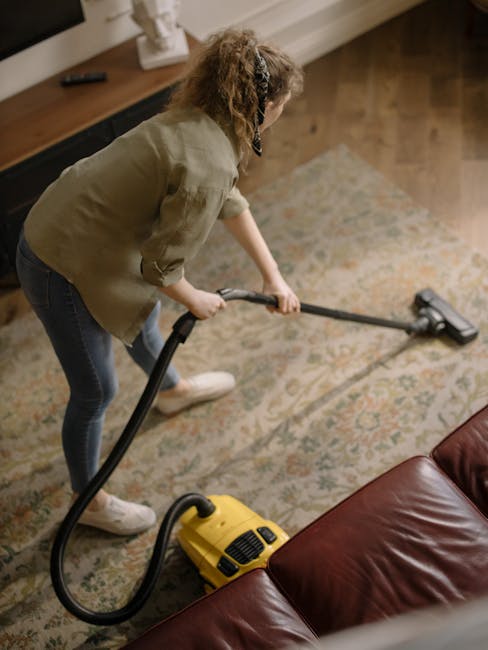
If you live in a flat near Chiswick High Road, carpet cleaning can feel oddly more complicated than it should. Shared entrances, narrow stairwells, parking limits, lease rules, drying space, and the simple fact that you probably do not want your hallway smelling damp for two days after the job. This Chiswick High Road carpet cleaning guide for flats is here to make the whole thing easier to plan, less stressful, and a lot more effective.
Whether you are getting your deposit back, freshening up a rental between tenants, or just dealing with everyday London dust and footfall, the right approach matters. In a flat, carpet cleaning is not only about removing marks. It is about choosing a method that fits your building, your schedule, your floor type, and the realities of city living. Let's face it, the wrong choice can leave you with soggy carpets and a bit of regret.
Below, you'll find a practical walkthrough of what works, what to avoid, what to ask before you book, and how to get cleaner carpets without making life harder for yourself.
Table of Contents
- Why carpet cleaning matters in flats on Chiswick High Road
- How the cleaning process works
- Key benefits and practical advantages
- Who this is for and when it makes sense
- Step-by-step guidance
- Expert tips for better results
- Common mistakes to avoid
- Tools, resources and recommendations
- Law, compliance, standards, or best practice
- Options, methods, or comparison table
- Case study or real-world example
- Practical checklist
- Conclusion
- Frequently asked questions
Why Chiswick High Road carpet cleaning guide for flats Matters
Flats around Chiswick High Road tend to be busy, lived-in spaces. People come and go, delivery boxes pile up, shoes track in grit, and carpets quietly absorb all of it. In a house, you may have more storage, more ventilation, and fewer neighbours to worry about. In a flat, those advantages shrink. That is why carpet cleaning deserves a slightly more considered approach.
There is also the local reality of London living. Many flats along or near Chiswick High Road have limited parking, tight access, and shared common areas. If a cleaner needs to carry equipment up several flights, or if hoses need to be routed carefully through communal spaces, planning becomes part of the job. A rushed clean can disturb neighbours, damage walls, or simply leave the carpet too damp for too long.
From a practical point of view, a well-cleaned carpet does more than look nice. It can make a rental easier to present, reduce lingering odours, improve how a room feels, and help extend the usable life of the flooring. That last bit matters more than most people realise. Once fibres are matted with grit, every extra month of neglect makes the job harder.
Expert summary: In flats, the best carpet cleaning result usually comes from matching the method to the building, the carpet fibre, and the drying conditions. Speed alone is not the goal. A clean, dry, usable room is the real win.
There is also a trust angle here. If you are a tenant, landlord, or letting agent, a carpet that looks clean in daylight but still smells musty by evening is not really clean enough. The reader-friendly rule is simple: choose a method that removes soil properly, dries in a sensible timeframe, and fits your building's practical limits.
How Chiswick High Road carpet cleaning guide for flats Works
Carpet cleaning for flats generally follows the same core logic as anywhere else: assess the carpet, choose the method, remove soil, extract moisture or residue, then allow enough time for drying. But in flats, each stage needs a bit more care. You often have less room to manoeuvre, less tolerance for noise, and fewer ways to speed up drying naturally.
The process usually starts with a visual inspection. A good cleaner looks at the fibre type, pile direction, wear patterns, stains, and any signs of previous spot treatments. This matters because wool, synthetic blends, and older fitted carpets do not all respond the same way. One carpet may tolerate hot water extraction nicely; another may need a lower-moisture approach to avoid shrinkage or over-wetting.
Then comes pre-treatment. This is where a cleaner applies a solution to loosen everyday grime, footfall dirt, and greasy marks from kitchens or hallways. In a flat, hallways are often the worst area, especially if the entrance opens directly onto carpet. Small gritty particles are annoying, yes, but they act like sandpaper over time.
After that, the cleaning itself takes place. Depending on the method, this may involve steam-style hot water extraction, low-moisture encapsulation, or targeted stain treatment. The key thing is that the process should lift dirt out of the fibres, not just move it around. If a cleaner uses too much water, the carpet may stay wet for hours. If they use too little, the result may look improved but still feel dull.
Finally, the carpet is groomed if needed and left to dry. In flats, drying is where local conditions really matter. Ground-floor flats may dry faster if windows can be opened safely. Upper floors with poor airflow and sealed windows can take longer. A sensible cleaner will explain drying expectations rather than pretending every room behaves the same. To be fair, that honesty is usually a good sign.
Key Benefits and Practical Advantages
The obvious benefit is appearance. Clean carpets make a flat feel brighter and more cared for. That can matter if you are preparing for viewings, a handover, or simply trying to make a compact space feel less tired.
But the practical advantages go further:
- Better hygiene: Carpets can trap dust, fine debris, and everyday spills. Cleaning removes buildup that vacuuming alone often leaves behind.
- Improved indoor feel: A fresh carpet changes the atmosphere of a room. It is subtle, but you notice it when you walk in.
- Odour reduction: Pet smells, cooking smells, and general flat-living odours can cling to fibres.
- Longer carpet life: Grit wears fibres down. Regular cleaning slows that damage.
- Better tenancy presentation: If you are moving out or letting a flat, clean carpets support a better first impression.
- Reduced stain setting: Fresh treatment of marks is usually easier than waiting until they have hardened in.
There is another benefit that gets overlooked: peace of mind. When carpets are visibly clean, a room tends to feel more under control. That sounds small, maybe even a bit sentimental, but in a compact flat, small things count. You hear less of that "this place needs a proper reset" feeling every time you walk through the door.
For people working near the High Road, a well-timed carpet clean can also fit around busy routines. Book it on a day when you can open windows, keep traffic through the flat to a minimum, and avoid rushing furniture back into place. The result is usually better. Always better, really.
Who This Is For and When It Makes Sense
This guide is for anyone living or working in a flat near Chiswick High Road who wants cleaner carpets without unnecessary fuss. That includes tenants, landlords, homeowners, letting agents, and even short-let hosts who need rooms to look presentable fast.
It makes sense to book carpet cleaning when:
- you are moving in or out of a flat
- a tenancy inspection is due
- there are visible stains, traffic lanes, or dull patches
- the carpet smells stale after a long winter with closed windows
- pets have left fur, odours, or accident spots
- children or visitors have created heavy use in living areas
- the hallway has become noticeably grubby from daily foot traffic
It also makes sense after renovations or decorating. Even if tradespeople were careful, fine dust can settle in carpet pile and make a room feel unfinished. You'll notice it particularly in sunlit areas. That dusty film on the fibres? It does not go away on its own.
If you are a landlord, the timing often comes down to turnover. A clean carpet between tenancies helps the next resident move into a more neutral, fresh space. If you are a tenant, the cleaner the carpet is when you leave, the less awkward the checkout conversation becomes. Not glamorous, but true.
Sometimes the decision is less obvious. If the carpet is old, heavily worn, or already close to replacement, a deep clean may still be worthwhile, but expectations should be realistic. Cleaning can improve appearance and hygiene, yet it cannot rebuild missing fibres or undo years of hard wear. That's just the honest version.
Step-by-Step Guidance
If you want the process to go smoothly, treat it as a small project rather than a last-minute chore. Here is a practical way to handle it.
- Check the carpet type and condition. Look for wear, loose seams, colour fading, or any stain you know has been there a while. If the carpet is wool or delicate, say so early.
- Clear the room as much as possible. Remove smaller items, lamps, fragile ornaments, and anything that could be knocked over. Some cleaners will help move light furniture, but do not assume.
- Vacuum thoroughly first. This is not a box-ticking exercise. Dry soil is much easier to remove before any wet cleaning begins.
- Identify problem areas. Mark stains, pet spots, and high-traffic lanes. If a cleaner knows where the trouble is, they can pre-treat properly.
- Confirm access and parking. In flats near Chiswick High Road, this can be the difference between a smooth visit and a stressed one. Check whether the cleaner needs lift access, buzzer details, or parking arrangements.
- Choose the right cleaning method. Not every carpet needs the same treatment. A hallway with heavy wear may benefit from deeper extraction, while a bedroom carpet might do better with a lower-moisture approach.
- Plan drying time. Keep foot traffic low until the carpet is fully dry. If you have to walk on it, use clean socks or protective covers where appropriate.
- Ventilate carefully. Open windows if safe and practical. A slight airflow helps. A draughty gale, not so much.
- Check the result before everything goes back. Look at seams, corners, and shaded areas. It is easier to correct something before the furniture is in place again.
A small but useful tip: take a few before-and-after photos if you are a tenant or managing a rental. Not because you expect drama, but because it gives you a tidy record and helps settle questions later if they arise.
Expert Tips for Better Results
Good carpet cleaning is often about what happens before and after the main clean, not just the machine itself. Here are the details that make a real difference.
1. Vacuum twice if the carpet is very dusty. The first pass loosens surface debris. The second pass lifts what the first pass brought up. It sounds almost too simple, but it works.
2. Treat spills early and gently. Blot, do not scrub. Scrubbing can push a stain deeper and distort the pile. A lot of people know this in theory, then forget the moment a coffee cup tips over. Happens.
3. Keep cleaning solutions suitable for the fibre. Wool carpets can be more sensitive than synthetic ones. If you are not sure, ask for a fibre-safe product and a small test first.
4. Do not over-wet the carpet edge near skirting boards. In flats, damp around edges can linger if air movement is poor. That can lead to slow drying and an unpleasant musty feel.
5. Think about timing around weather and occupancy. A cool damp day with no airflow is not ideal if you need the room back quickly. If the flat is fully occupied, plan for a quieter day rather than squeezing the job into a half-hour gap.
6. Ask what happens to stubborn stains. Some marks improve but do not vanish completely. Ink, old dye transfer, nail varnish, and bleach damage are particularly tricky. Better to know upfront than to expect a miracle.
One more thing: if a cleaner promises that every stain will disappear, that is a bit of a red flag. Real carpet care is about likelihood, not magic. And honestly, anyone promising magic is usually upselling something.
Common Mistakes to Avoid
Most problems in flat carpet cleaning come from rushing, assuming too much, or using the wrong method for the space. The good news is that these mistakes are very avoidable.
- Skipping the vacuum. Wet cleaning on top of loose grit is like polishing a dusty shelf. The dirt just gets redistributed.
- Using too much water. A carpet that stays soaked for too long can smell stale and feel uncomfortable underfoot.
- Ignoring fibre type. Wool, synthetic blends, and older carpets do not all respond the same way.
- Not checking access in advance. Nothing slows a job down like discovering the lift is out or parking is impossible.
- Moving furniture back too early. Heavy items can trap moisture, mark fibres, or create new dents.
- Overlooking hidden stains. Rooms often look fine in the centre but hide marks at edges, around sofas, or beneath beds.
- Choosing only on price. Cheap can be fine. Cheap and careless is where trouble starts.
There is also a common mindset mistake: expecting one deep clean to solve years of neglect. Sometimes a carpet improves dramatically. Sometimes it needs repeat care, spot treatment, or honest discussion about replacement. That's not failure. That's just the state of the carpet, and it helps to be realistic.
Tools, Resources and Recommendations
You do not need a giant toolkit to keep a flat's carpets in decent shape, but a few sensible items help.
- Vacuum cleaner with strong suction: Particularly useful for hallways and stairs if your flat includes them.
- Microfibre cloths: Good for blotting spills without spreading them.
- Plain white towels: Handy for pressing moisture out of a fresh spill or protecting spots while drying.
- Soft-bristled brush: Useful for lifting pile gently after treatment, provided the carpet can take it.
- Appropriate carpet spot cleaner: Best chosen with the fibre type in mind, not just the strongest-looking bottle on the shelf.
- Door mats: A boring answer, but a very effective one. They reduce the amount of grit entering the flat in the first place.
If you are comparing professional services, a useful question is whether they offer pre-inspection, stain assessment, and drying guidance as part of the visit. That tells you a lot about how carefully they work. If you are also arranging other flat cleaning tasks, it can be sensible to coordinate with broader home care rather than tackling everything in isolated bursts. Some people prefer to bundle carpet cleaning with a more complete refresh, which can save time and simplify access.
For readers looking at broader upkeep, it may also help to think about the rest of the flat's soft furnishings. Rugs, runners, and upholstered chairs all collect the same general grime, just in different ways. Keep that in mind if one room keeps getting dirty faster than the others.
Law, Compliance, Standards, or Best Practice
For flat carpet cleaning, the main compliance concerns are usually practical rather than highly regulated. That said, there are still sensible standards to follow.
If you are a tenant, leaseholder, or landlord, check the tenancy agreement, lease terms, or building rules before arranging a clean. Some buildings have access restrictions, moving-in or moving-out procedures, or expectations about communal areas. In shared blocks, it is especially important to avoid blocking hallways, leaving damp equipment in common spaces, or causing avoidable noise at awkward times.
Professionally, best practice usually includes:
- using cleaning products suited to the carpet fibre
- testing in a small area first where uncertainty exists
- avoiding excess moisture in flats with limited ventilation
- warning the customer about drying times and residual staining risks
- protecting walls, skirting boards, and shared access areas during equipment movement
There is also a safety angle. Wet carpets can be slippery, especially near entryways or between rooms. If children, older residents, or pets are in the flat, drying time should be taken seriously. A rushed return to normal use can create avoidable slips, and nobody needs that on a Tuesday morning.
When in doubt, treat the process with a "care first" mindset. That is the safest and most sensible rule here.
Options, Methods, or Comparison Table
Different flats need different approaches. A compact one-bedroom apartment with light foot traffic does not need the same method as a busy family flat with a hallway running off the front door. Here is a straightforward comparison.
| Method | Best for | Pros | Trade-offs |
|---|---|---|---|
| Hot water extraction | Deep cleaning, soiled hallways, general refresh | Thorough soil removal, strong visual improvement | Longer drying time, not ideal for very delicate carpets |
| Low-moisture cleaning | Flats with limited airflow or time constraints | Faster drying, less disruption | May need more care on stubborn embedded dirt |
| Spot treatment only | Small isolated stains | Quick and targeted | Does not refresh the whole carpet |
| Dry compound cleaning | Situations where moisture must be minimised | Very low drying time, less water used | Not always the best on heavy grime or deep stains |
The right choice often depends on practical priorities. If you want the room back quickly and the carpet is in reasonable shape, low-moisture methods can be appealing. If the carpet has years of general dirt or is preparing for end of tenancy, deeper extraction may be the better bet. It is not one-size-fits-all. Rarely is, in truth.
Case Study or Real-World Example
Here is a realistic flat scenario from the sort of work people often ask about near Chiswick High Road.
A two-bedroom flat had a carpeted hallway, one living room, and a small bedroom used as a home office. The hallway was the main issue: dull traffic lanes, a few dark marks near the entrance, and that slightly stale feel you get after a wet winter when coats and shoes have been in and out all week.
The flat owner had a viewings deadline and wanted the place to feel brighter without turning the whole apartment upside down. The sensible approach was to clear small items from the floor, vacuum thoroughly, pre-treat the entrance marks, and use a cleaning method suited to moderate soil rather than heavy restoration. The job plan also had to consider access through the building and the time it would take to dry before furniture was moved back.
What made the biggest difference was not any single fancy step. It was the preparation. The room was cleared enough to let the cleaner work edge to edge, the entry mat was replaced afterwards, and the windows were opened for a bit of airflow once it was safe. The result? The hallway looked lighter, the flat felt fresher, and the whole place had a better first impression without being overworked.
That is the sort of outcome most people actually want. Not perfection. Just a flat that feels looked after again.
Practical Checklist
Use this checklist before and after carpet cleaning in a flat on or near Chiswick High Road.
- Check carpet type and any visible damage.
- Confirm access, parking, lift use, and entry instructions.
- Vacuum the carpet properly before any wet cleaning.
- Point out stains, pet spots, and traffic lanes.
- Ask how long drying should take in your specific flat.
- Protect nearby skirting boards, furniture, and communal areas.
- Plan where furniture will go once the carpet is dry.
- Keep foot traffic low during drying time.
- Ventilate safely where possible.
- Inspect corners, edges, and shaded areas before putting everything back.
- Keep a note of any stains that improved but did not fully disappear.
- Replace mats or runners to reduce future dirt build-up.
If you only remember one thing from the checklist, make it this: drying time matters nearly as much as cleaning itself. A carpet that looks clean but stays damp too long can become a nuisance. A clean, dry carpet is the target.
Conclusion
Carpet cleaning in flats along Chiswick High Road is less about brute force and more about judgement. The best results come from choosing the right method, preparing the space properly, and giving the carpet enough time to dry without disruption. That is especially true in London flats, where access, ventilation, and busy schedules all play a part.
If you are a tenant, landlord, homeowner, or agent, the good news is that most carpet problems can be managed with a practical plan and realistic expectations. Clean the right way, not the rushed way. Ask sensible questions. Keep an eye on drying and fibre care. Small details, but they add up.
Get a free quote today and see how much you can save.
And if you are still deciding, take a breath, look at the room in daylight, and trust your eye. A flat that feels fresh underfoot tends to feel better in every other way too.
Frequently Asked Questions
How often should carpets in a flat near Chiswick High Road be cleaned?
It depends on foot traffic, pets, smoking, and whether the flat is rented or owner-occupied. Many people find that a periodic deep clean plus regular vacuuming keeps things in good shape, but busier hallways may need attention sooner.
Is steam cleaning safe for all carpet types?
No, not always. The term "steam cleaning" is often used loosely, but some carpets, especially delicate or wool-rich ones, need a more cautious approach. A test area and fibre check are sensible before any full clean.
How long do carpets usually take to dry in a flat?
Drying time varies with method, airflow, carpet thickness, and room temperature. Flats with limited ventilation can take longer, so it is best not to plan a tight return-to-use window unless the method is designed for faster drying.
Can carpet cleaning remove all stains?
Not always. Fresh spills are much easier than old or chemically altered stains. Some marks may improve a lot, while others may only lighten. A trustworthy cleaner will be honest about that rather than promising miracles.
What should I do before a cleaner arrives?
Clear the room as much as possible, vacuum beforehand, point out any problem stains, and sort access details. In flats, it also helps to check parking, entry codes, and whether lift access is required.
Is carpet cleaning worth it before moving out of a flat?
Usually, yes. It can improve presentation and help avoid awkward discussions at checkout. If the tenancy agreement expects carpets to be left reasonably clean, a proper clean is often a sensible step.
What is the best carpet cleaning method for a small flat?
There is no single best option for every flat. Low-moisture methods can be convenient where drying time is a concern, while hot water extraction may be better for deeper soil. The right choice depends on the carpet and the room's conditions.
Will carpet cleaning make my flat smell fresher?
Usually, yes, especially if the smell is caused by embedded dirt, pet odours, or stale dust. If an odour has soaked into underlay or flooring, cleaning the carpet alone may not solve everything, though it can still help.
Can I move furniture back straight away after cleaning?
It is better to wait until the carpet is fully dry. Heavy furniture can trap moisture and leave marks. If something must go back sooner, protect the feet properly and follow the cleaner's advice.
How do I choose a carpet cleaner for a flat on Chiswick High Road?
Look for someone who asks about access, carpet type, stains, and drying expectations before they quote. That usually shows they understand flat cleaning rather than treating it like a one-size-fits-all job.
Do I need to tell my landlord before arranging carpet cleaning?
If you are a tenant, check your agreement first. Some landlords prefer to approve certain works, especially if there are special access or insurance concerns. A quick message can prevent confusion later.
What is the biggest mistake people make with carpet cleaning in flats?
Probably over-wetting the carpet or underestimating drying time. In flats, poor airflow makes that mistake more noticeable. A careful clean should leave the room usable, not just visibly improved.