Gunnersbury Park event cleaning and post event carpet care
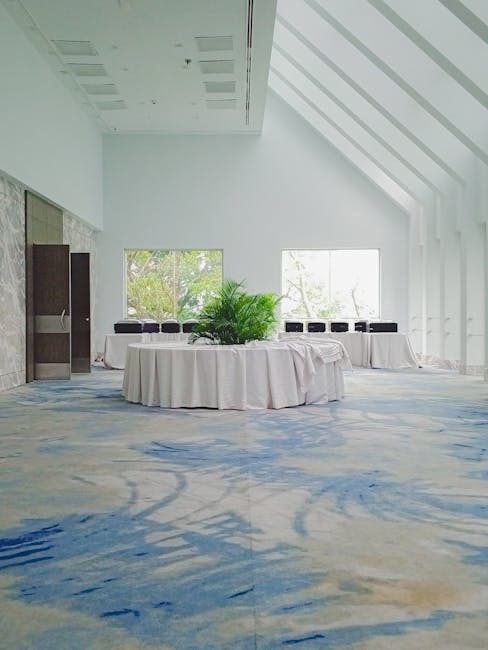
Gunnersbury Park has a way of making events feel bigger than the day itself. You get the atmosphere, the footfall, the food stalls, the music, the speeches, the muddy shoes, the spilled drinks, the chair marks, the confetti that somehow ends up everywhere. And once the guests go home, the real work begins. Gunnersbury Park event cleaning and post event carpet care is not just about making a space look tidy again; it is about protecting the venue, reducing damage, and getting every room back to a standard that is safe, professional, and ready for whatever comes next.
If you are planning or managing an event at Gunnersbury Park, or you are responsible for cleaning it afterwards, the details matter more than people think. Carpets hold on to moisture, grit, odours, and staining in a way hard flooring simply does not. Miss the first few hours after an event, and a small spill can become a lingering mark. Do it properly, and the venue looks cared for rather than merely wiped over. That difference shows.
This guide breaks down how event cleaning and carpet care work in a real-world setting, what to prioritise, where problems usually start, and how to choose the right approach without overcomplicating the job. There is practical advice here for venue teams, event organisers, facilities managers, and cleaning contractors alike. And yes, the boring bits matter too. They really do.
- Why it matters
- How it works
- Key benefits and practical advantages
- Who this is for and when it makes sense
- Step-by-step guidance
- Expert tips for better results
- Common mistakes to avoid
- Tools, resources and recommendations
- Law, compliance, standards, or best practice
- Options, methods, or comparison table
- Case study or real-world example
- Practical checklist
- Conclusion
- Frequently asked questions
Why Gunnersbury Park event cleaning and post event carpet care Matters
Events at a heritage or public-facing venue have a different kind of pressure on them. People arrive in waves, move through entrances and function spaces quickly, and bring in dirt from roads, lawns, paths, and car parks. Even a well-run event can leave a surprisingly messy trail behind it. That is why Gunnersbury Park event cleaning and post event carpet care is not a decorative extra. It is part of protecting the venue's condition, presentation, and usability.
Carpeted areas are especially vulnerable because they trap more than surface dirt. Fine grit can get pushed deep into fibres. Liquids can spread before anyone notices. Food crumbs, wine, coffee, and muddy residue can all change the look and smell of a room very quickly. If you have ever walked into a venue the morning after a busy function and noticed that slightly damp, stale-party smell, you will know exactly what this means. Not ideal.
For venue operators, the stakes are practical. Good cleaning helps reduce wear, maintain standards for future bookings, and avoid avoidable repair costs. For organisers, it supports a professional handover and helps keep relationships smooth with the venue team. A tidy exit is one of those things people remember, even if they do not say much about it.
There is also the simple fact that first impressions matter after the event as much as before it. When carpets are brushed, extracted, dried correctly, and checked carefully, a space looks looked-after. That has a knock-on effect on reputation, not just appearance.
Expert summary: post-event cleaning is most effective when it starts early, uses the right method for the type of carpet and contamination, and includes proper drying and final inspection. Rush the process, and you often end up doing the job twice. Nobody enjoys that at 7 a.m., frankly.
How Gunnersbury Park event cleaning and post event carpet care Works
In practice, event cleaning and carpet care follow a straightforward sequence, but the quality sits in the details. The cleaning team normally begins with a walk-through to identify high-traffic areas, visible spills, damaged spots, and any items left behind. That inspection helps decide whether the job needs a light refresh, a stain-focused treatment, or deeper carpet extraction.
The process often starts with dry soil removal. Vacuuming is not glamorous, but it matters more than people think. Dry grit acts like sandpaper underfoot, and if it is not removed first, wet cleaning can turn it into a muddy layer that is harder to lift. Once loose debris is cleared, the team can focus on spots, edges, and any problem patches around entrances, buffet tables, bars, or dance floors.
From there, post event carpet care may include pre-treatment for stains, agitation where needed, hot water extraction or low-moisture cleaning depending on the carpet type, and controlled drying. The goal is not to soak fibres and hope for the best. It is to remove the contamination while keeping the carpet stable, clean, and usable as soon as possible.
For events at a place like Gunnersbury Park, timing can be tight. Some rooms may need to be turned around quickly for another function, or opened for the public again without that slightly apologetic "sorry for the mess" feeling. That means the cleaning plan has to fit the venue schedule, not fight it.
Here is the bit people sometimes miss: carpet care is not only about appearance. Water management, airflow, and drying time all affect the final result. If carpet stays damp for too long, you can get odour, wicking, or tracking of dissolved soils back to the surface. That is the sort of issue that turns a simple clean into a callback.
Key Benefits and Practical Advantages
There are obvious benefits to a well-managed clean-up, but there are also a few less obvious ones that are worth calling out. The immediate benefit is visual. Clean carpets, fresh edges, and residue-free floors make a venue feel reset. Guests may never know how much work went into that, which is kind of the point.
Then there is protection. Regular and well-executed event cleaning reduces long-term fibre damage, helps preserve colour, and limits the build-up of embedded soil. That matters in venues with repeated bookings, where carpets see constant traffic and the wear adds up quietly over time.
There is also the commercial side. Better cleaning supports faster handovers, fewer complaints, and lower risk of avoidable maintenance costs. If the venue team can open a room the next day without lingering stains or damp patches, that is a genuine operational advantage. No drama. Just a smoother schedule.
Another practical benefit is smell control. Event spaces can pick up food, drink, smoke residue from outdoor areas, and general crowd odour in ways that are hard to ignore once you notice them. Proper carpet care does a lot to remove that stale background smell that makes a room feel tired even when it looks tidy.
Finally, there is confidence. Organisers, facilities teams, and venue managers feel more in control when they know a clear clean-down plan is in place. That confidence matters at the end of a long event day, especially when people are tired and ready to go home.
| Outcome | What good cleaning achieves | Why it matters after an event |
|---|---|---|
| Appearance | Removes visible marks, debris, and dullness | Keeps the venue presentable for the next use |
| Carpet health | Reduces embedded soil and fibre abrasion | Helps extend the life of the flooring |
| Smell control | Lifts odours and damp residue | Stops the room feeling stale or neglected |
| Operational speed | Speeds up handover and reopening | Supports bookings, access, and scheduling |
| Risk reduction | Improves slip management and hygiene | Reduces avoidable complaints and follow-up work |
Who This Is For and When It Makes Sense
This topic is relevant to a few different people, and the right approach depends on which side of the event you are on. If you are an event organiser, you may be responsible for the condition you leave the venue in, especially if you have hired carpeted indoor spaces for receptions, conferences, launches, or community gatherings. If you are a venue manager, you need a reliable post-event cleaning plan that fits the site's operational standards. If you are a contractor, you need to understand the sequence, equipment, and turnaround pressures.
It also makes sense for anyone handling:
- wedding receptions and private celebrations
- corporate events and conferences
- charity functions and community events
- cultural performances or exhibitions
- seasonal events with heavy visitor traffic
- events with food service, drink service, or outdoor access
The need becomes more obvious when carpeted rooms are used for long periods or when weather conditions are poor. Let's face it, a damp London evening and a busy entrance are a fairly predictable recipe for tracked-in dirt. If an event involves a lot of movement between outside and inside spaces, carpet care should be part of the plan from the start rather than a panic job at the end.
It also makes sense when the venue has delicate finishes, mixed flooring, or high-value carpet that needs a gentler method than a standard end-of-shift tidy. In those situations, a one-size-fits-all clean is rarely the best call.
Step-by-Step Guidance
A solid post-event clean is easier when broken into stages. The exact method may vary depending on the type of event, the carpet construction, and the amount of residue left behind, but the logic stays the same.
- Assess the room
Walk the space before touching anything. Look for spills, sticky residues, foot traffic lanes, and any items that need to be removed first. A quick visual sweep saves time later.
- Remove waste and loose debris
Collect rubbish, packaging, bottles, disposable decor, and food waste. Then vacuum thoroughly. This step matters more than it gets credit for. If you skip it, wet cleaning can spread dirt around.
- Identify stain types
Coffee, wine, grease, mud, and sugary drinks all behave differently. A stain on a carpet is not just a stain. The chemistry behind it changes the method, even if that sounds a bit unromantic.
- Pre-treat problem areas
Use targeted products and careful agitation on affected spots before full carpet cleaning. Always test in a discreet area where practical, especially on older or more delicate fibres.
- Choose the right cleaning method
Hot water extraction, encapsulation, low-moisture cleaning, or spot cleaning may all be appropriate depending on the situation. The goal is matching the method to the carpet, not forcing the carpet to adapt to the machine.
- Control moisture and extraction
Remove as much liquid as possible without damaging the fibres or backing. Too much moisture can slow drying and increase the risk of wicking or odour.
- Speed up drying safely
Use airflow, ventilation, or air movers where suitable. Drying is not a footnote. It is a core part of the result. A clean, damp carpet is not really finished yet.
- Inspect and touch up
Check edges, entrances, corners, and high-traffic routes. These are often the places where a decent clean becomes a great one.
A useful mindset is to clean from the least soiled areas toward the worst. That helps avoid dragging contamination through the room. Also, keep an eye on overspray and residue near skirting, thresholds, and chair legs. Those little details are where a rushed job tends to show.
Practical note: in event clean-downs, the fastest-looking approach is not always the fastest one. A careful first pass, followed by targeted treatment, usually saves time compared with having to revisit stains after drying.
Expert Tips for Better Results
One of the most useful habits is planning the clean before the event ends. If the team knows where the high-risk areas are, they can move quickly once guests leave. That may mean laying out equipment in advance, setting aside a stain kit, or agreeing which rooms need priority attention first.
Another tip: deal with fresh spills as soon as it is safe to do so. Sugary drinks, alcohol, and food residues become more stubborn as they dry. If you are dealing with a large event, assign one person to spot checks during the final hour. It feels slightly unglamorous, but it works.
Be careful with fragrance-heavy products. A strong smell can mask a problem for an hour and then return later, which is not much help. Neutral cleaning and proper extraction often do more good than a product that simply smells "clean".
Humidity matters too. On a damp evening, drying can take longer than expected. You may have the room looking spotless, but if the air is heavy and still, the carpet will hold moisture. Opening routes for airflow and using the right drying aids can make a noticeable difference.
Another overlooked point is communication. If the venue has specific flooring instructions, follow them. If the carpet is part of a heritage interior or a mixed-use event space, treat it with a bit more care than you would a standard office carpet. That is just common sense, really.
And a small one, but a useful one: photograph problem areas before and after cleaning. Not for drama. Just for records. When questions come up later, those photos save a lot of back-and-forth.
Common Mistakes to Avoid
The most common mistake is waiting too long. Once a stain has settled in, or moisture has sat on the carpet for hours, the job becomes harder and more invasive. Event teams are busy, yes, but delay is expensive in cleaning terms.
Another mistake is using too much water. It feels counterintuitive, but more water does not equal better cleaning. Excess moisture can push soils deeper, weaken adhesives in some circumstances, and leave the carpet taking ages to dry. That is where a job can start looking clean and end up smelling wrong the next day.
A third issue is using the wrong chemical on the wrong stain. Grease, protein-based spills, tannins, and mud all respond differently. If you treat everything as though it were a general mark, you will get mixed results. Sometimes a very mixed bag.
People also underestimate edge areas and entrances. These zones collect the most dirt because they are where traffic starts and ends. Miss them, and the room can still feel grubby even if the centre looks fine.
Then there is over-reliance on fragrance or quick surface wipes. That kind of clean can make a room look improved for a moment, but carpet contamination often sits deeper. Proper extraction, drying, and inspection make a far better long-term result.
Finally, avoid assuming every carpet can be treated the same way. Fibre type, pile density, underlay, age, and prior maintenance all matter. A careful contractor will notice those differences straight away.
Tools, Resources and Recommendations
The right tools make a post-event clean faster, safer, and less guessy. At minimum, a proper kit should include a commercial vacuum, spot treatment products suitable for different stains, absorbent cloths, brushes or pads for gentle agitation, extraction equipment where appropriate, and drying support such as fans or air movers.
For larger or more demanding jobs, you may also need:
- warning signs or barriers for damp areas
- microfibre cloths for edges and detail work
- stain-specific pre-sprays
- portable extraction tools for spot recovery
- deodorising treatment where odour persists after cleaning
- protective gloves and suitable PPE for the task
Resource-wise, the most useful thing is a written cleaning plan. Even a simple one helps. It should cover room priorities, access arrangements, equipment loading, drying expectations, and who signs off the handover. Without that, everyone thinks someone else has it covered. Classic event chaos.
If you are overseeing regular events, keep a record of common problem areas. Maybe one entrance always brings in soil, or the bar zone always needs spot treatment. Over time, that knowledge helps you clean smarter, not harder. That is where practical experience beats generic advice every time.
In some cases, it can also be helpful to compare this work with broader facility needs. If you already coordinate other services in the venue, such as office cleaning in London or end of tenancy cleaning, you will know how important it is to match the method to the environment. Event cleaning is its own thing, but the same principle applies: use the right process for the right space.
Law, Compliance, Standards, or Best Practice
For this kind of work, the safest approach is to follow recognised UK cleaning and workplace best practice rather than making assumptions. In practical terms, that means using suitable cleaning chemicals, following product instructions, managing slip risk, and making sure staff have the right training and protective equipment for the task. Where the venue has its own procedures, those take priority on site.
From a health and safety point of view, the main concerns are simple: wet floors, trailing equipment, cleaning chemicals, manual handling, and safe access around the venue. If a carpet area is still drying, it should be treated as a temporary hazard, especially in public-facing spaces. That one sounds obvious, but in the rush after an event, obvious things can get missed.
If the event space includes heritage interiors or delicate finishes, best practice becomes even more important. Cleaning methods should avoid unnecessary abrasion, excessive water, or products that could leave residues. The cleaner the process, the less likely the carpet is to be damaged while being cleaned. Which is the whole point, really.
It is also sensible to work in line with the venue's own policies on waste disposal, access times, noise restrictions, and room turnaround. For a public venue like Gunnersbury Park, being respectful of the site and its operational rules is part of the job, not an optional extra.
Because compliance needs vary by setting, this is one of those areas where a cautious, documented approach is better than assumptions. If in doubt, check the venue requirements and the cleaning contractor's method statement before work begins. It saves awkward conversations later.
Options, Methods, or Comparison Table
There is no single best cleaning method for every post-event carpet. The right choice depends on how dirty the carpet is, how quickly the room needs to be reused, and how much moisture the material can safely handle. Below is a simple comparison of common approaches.
| Method | Best for | Advantages | Trade-offs |
|---|---|---|---|
| Vacuum and spot clean | Light soiling, small spillages, quick turnaround | Fast, low disruption, minimal moisture | Not enough for embedded dirt or heavy contamination |
| Hot water extraction | Deeper soil removal, busy event carpets, odour issues | Thorough, strong restorative result | Longer drying time, needs careful moisture control |
| Low-moisture cleaning | Rooms that must reopen quickly | Faster drying, less disruption | May not suit severe stains or very heavy soiling |
| Targeted stain treatment | Isolated marks from food, drink, mud, or cosmetics | Efficient, precise, cost-conscious | Works best alongside a wider clean, not instead of it |
In many real event settings, the best answer is a combination rather than a single method. A quick response to fresh spills, followed by more thorough carpet restoration in the worst-affected areas, usually gives the most balanced result. That approach keeps the room moving without cutting corners.
Case Study or Real-World Example
Imagine a late-afternoon community event at Gunnersbury Park with speeches, catering, and a steady stream of guests moving between a reception space and an outdoor area. By the time the last chairs are stacked, the carpet near the entrance shows damp footprints, the refreshments area has a couple of sticky patches, and a dark mark has appeared near a table leg where someone set down a drink a little too quickly.
A sensible post-event team would not attack the whole room in one go. First, the waste is cleared and the carpet is vacuumed. Then the entrance zone gets priority because that is where the grit is being tracked around most. The sticky patches are pre-treated and the drink mark is checked for fibre type and stain spread before a cleaning method is chosen. Drying support is used once the moisture work is complete, and the room is inspected again the next morning.
That kind of sequence may sound basic, but it stops little problems becoming bigger ones. The entrance does not get ground in. The sticky patch does not turn into a permanent dull area. The room feels properly reset instead of "clean enough for now".
And to be fair, that is what most venue teams actually want: a clean that holds up the next day, not just one that photographs well for ten minutes.
Practical Checklist
Use this checklist as a quick pre-close or post-event reference. It is simple, but it catches a lot.
- Confirm the room has been fully cleared of guests and movable items
- Identify entrances, spill zones, bar areas, and other high-traffic spaces
- Remove waste, bottles, packaging, and loose debris
- Vacuum all carpeted areas before any wet treatment
- Pre-treat visible stains with the correct product
- Choose a cleaning method suitable for the carpet type and soil level
- Avoid over-wetting the carpet or backing
- Support drying with ventilation or airflow where appropriate
- Check edges, corners, thresholds, and under furniture
- Inspect for remaining marks, odour, or damp patches
- Document anything unusual, such as damage or persistent staining
- Confirm the room is safe and ready for the next use
If you can tick all of those off without rushing, you are in good shape. If not, slow down and deal with the worst areas first. That usually pays off.
Get a free quote today and see how much you can save.
Conclusion
Gunnersbury Park event cleaning and post event carpet care is really about control: control of timing, moisture, stain treatment, presentation, and handover quality. When the process is planned properly, the venue looks cared for, the carpets last longer, and the next event starts from a better place. When it is rushed, the room may still look okay at first glance, but the problems tend to come back later.
The good news is that most post-event carpet issues are manageable if they are handled early and methodically. Clear the debris, treat the right areas, choose the right method, dry properly, and check the finish. Simple enough on paper. Not always simple on the night, of course. But absolutely doable with the right approach.
If you are responsible for an event at Gunnersbury Park, the best time to think about cleaning is before the last guest leaves. That is where the smooth handover begins, and where a professional result is usually won.
A clean venue feels calm again. And after a long event, that calm is worth a lot.
Frequently Asked Questions
What does post event carpet care include after a Gunnersbury Park event?
It usually includes waste removal, vacuuming, spot treatment, deeper carpet cleaning where needed, drying support, and a final inspection. The exact method depends on the event size and the type of soiling left behind.
How quickly should carpets be cleaned after an event?
As soon as practical. Fresh spills and tracked-in dirt are easier to remove before they settle. Waiting too long can make stains harder to treat and can also increase the chance of odour or wicking.
Is vacuuming enough for event cleaning?
For very light use, sometimes it may be enough. But after a busy event, vacuuming alone usually will not remove spills, embedded soil, or sticky residues. It is a good starting point, not always the full answer.
What is the best method for cleaning event carpets?
There is no universal best method. Hot water extraction works well for deeper cleaning, while low-moisture methods can suit faster turnarounds. The right choice depends on the carpet type, drying time, and level of contamination.
How do you remove food and drink stains from carpet after an event?
Start by identifying the stain type, then use a suitable pre-treatment and a careful cleaning method. Coffee, wine, grease, and sugary drinks each need a slightly different approach, so guessing is not ideal.
Why do carpets sometimes smell after cleaning?
That can happen if moisture remains trapped in the fibres or backing, or if the original contamination was not fully removed. Proper extraction and drying are important, especially after busy events with food and drink service.
Can carpets be cleaned overnight after an event?
Yes, if the venue access, staffing, and equipment support it. Overnight cleaning is common for event spaces, but the schedule should still allow for proper drying and a final check before reopening.
What should event organisers do before leaving a venue?
They should clear waste, collect personal items, remove decorations where required, and flag any spills or damage to the venue team. A tidy handover helps the cleaning crew work faster and more effectively.
Are carpet cleaning chemicals safe for event venues?
They can be, when used correctly and according to instructions. The key is using the right product for the surface, following safety guidance, and avoiding residue that could affect the carpet or create a slip risk.
How can you tell if a carpet needs deep cleaning after an event?
If there are visible stains, darkened traffic lanes, lingering odours, damp patches, or a rough feel underfoot, it probably needs more than a light refresh. Heavily used event carpets often benefit from a deeper clean.
What are the most common carpet cleaning mistakes after events?
The biggest ones are delaying the clean, using too much water, choosing the wrong stain treatment, and forgetting edge areas or entrances. Those mistakes are easy to make when everyone is tired, which is exactly why a checklist helps.
How do I choose a cleaning contractor for an event venue?
Look for a team that understands event turnaround, carpet-specific cleaning methods, drying control, and venue-safe working practices. Experience matters here because event cleaning is a bit different from routine domestic or office cleaning.
Is there a difference between event cleaning and regular carpet cleaning?
Yes. Event cleaning is usually more time-sensitive and involves higher footfall, more spill risk, and faster handover expectations. The cleaning method may be similar, but the pace and priorities are different.
What is the main goal of Gunnersbury Park event cleaning and post event carpet care?
The main goal is to restore the venue quickly and safely while protecting the carpet from lasting damage. In simple terms: make it clean, make it dry, and make it ready for the next use without shortcuts.