Turnham Green upholstery cleaning and stain removal tips
If your sofa has picked up a tea mark, a muddy paw print, or that mystery stain nobody wants to claim, you are not alone. Upholstery takes a beating in busy homes, especially in a place like Turnham Green where everyday life means shoes by the door, school runs, a bit of rain, and maybe the odd late-night snack on the armchair. This guide to Turnham Green upholstery cleaning and stain removal tips will help you clean smarter, avoid damage, and know when a DIY fix is enough - and when it is better to stop before making things worse.
We will cover how upholstery cleaning actually works, the safest stain-removal approach for common fabrics, what mistakes to avoid, and the practical checks that protect your furniture. A good clean can make a room feel fresher almost instantly. A bad one? Well, that can leave a water ring, a faded patch, or a stain that spreads like it has a life of its own.
- Why it matters
- How it works
- Key benefits
- Who needs this
- Step-by-step guidance
- Expert tips
- Common mistakes
- Tools, resources and recommendations
- Law, compliance, standards, or best practice
- Options, methods, or comparison table
- Case study or real-world example
- Practical checklist
- Conclusion
- Frequently Asked Questions
Why Turnham Green upholstery cleaning and stain removal tips Matters
Upholstery is one of those things you stop noticing until it starts looking tired. Then suddenly the whole room feels dull. In a home, rental flat, or small office around Turnham Green, sofas, dining chairs, armchairs, and even window seats can collect dust, skin oils, food spills, pet hair, and odours faster than most people expect. Not glamorous, but true.
The reason stain removal advice matters is simple: upholstery fabrics are varied, and a fix that works on one may damage another. Cotton mix, velvet, wool, linen, microfiber, leather, and synthetic blends all behave differently. Use the wrong liquid or too much moisture, and you can set a stain, distort the pile, or leave a tide mark that is more visible than the original spill.
There is also a practical side. Well-maintained furniture tends to last longer and look better between deep cleans. For busy households, that can mean fewer replacements and less fuss. For landlords or property managers, it helps a space present properly when visitors, tenants, or buyers step inside. Truth be told, people notice soft furnishings faster than they admit.
There is a local angle too. London weather does no favours for fabrics. Damp coats, wet umbrellas, and muddy hems all leave traces. Add in everyday spills and a bit of traffic from the High Road to the kitchen, and upholstery can look older than it really is. A sensible cleaning routine keeps the wear under control before it gets embedded.
How Turnham Green upholstery cleaning and stain removal tips Works
Good upholstery cleaning is not just about scrubbing. It is about identifying the fabric, lifting loose soil, treating the stain carefully, and controlling moisture so the material dries evenly. That sounds fussy, but it is the difference between a proper refresh and a half-fixed mess.
The basic process usually looks like this:
- Identify the fabric and cleaning code. Check labels where available. Some fabrics tolerate water-based cleaning, while others need solvent-based care or professional attention.
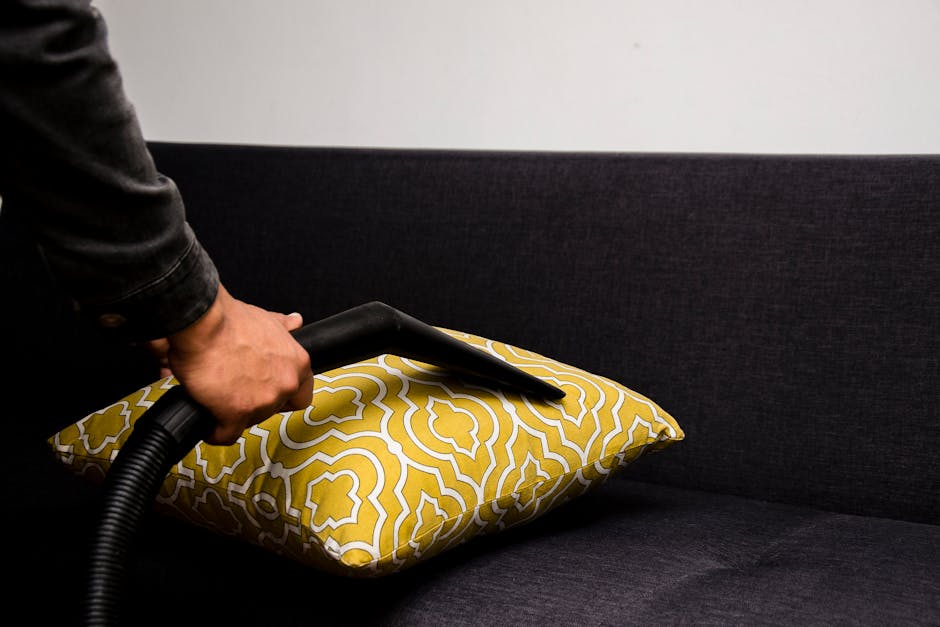
- Vacuum thoroughly. Dry soil and crumbs should come off first. If you skip this, the dirt turns into mud once liquid is added.
- Test in a hidden spot. This is non-negotiable. A small patch on the back or underside can save a lot of regret.
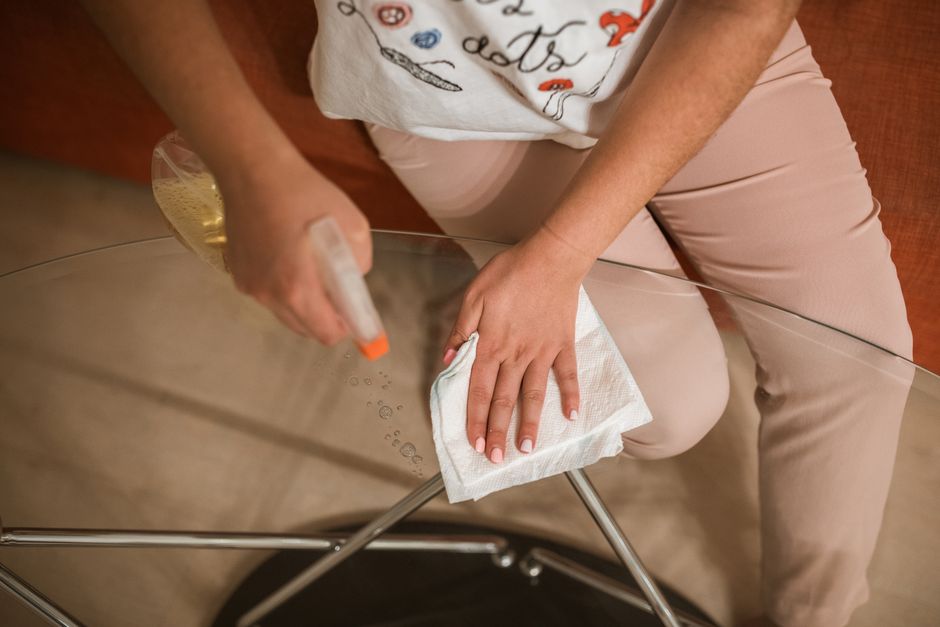
- Treat the stain gently. Blot, do not rub. Work from the outside in to keep the mark from spreading.
- Control moisture. Use minimal liquid and never soak the fabric unless the material and method allow it.
- Dry properly. Airflow matters. Open a window if you can, and avoid sitting on damp upholstery before it is fully dry.
Some stains are water-based, like juice, coffee, or squash. Others are oily, like makeup, salad dressing, or body oils from headrests and armrests. The treatment is different. Water-based stains often respond to mild detergent solutions or specialist upholstery cleaners. Oily marks may need an absorbent powder first, then a suitable cleaner. And yes, sometimes the stain has already changed character by the time you notice it. That happens more than people think.
Professional upholstery cleaning methods often use extraction or low-moisture techniques. These are designed to remove embedded soil and residues without over-wetting the fabric. For many households, that is the safest route when the piece is valuable, delicate, or simply too awkward to tackle alone.
Key Benefits and Practical Advantages
The most obvious benefit is a cleaner-looking sofa or chair. But the real value goes beyond appearances. Clean upholstery can feel fresher, smell better, and make a room more comfortable to spend time in. That matters more than people admit when the rain has been relentless and everything already feels a bit grey outside.
Here are the practical upsides:
- Better appearance: Stains, dull patches, and traffic marks are reduced.
- Improved comfort: Built-up grime and sticky residue can make fabric feel rough or tired.
- Odour control: Spills, pet accidents, and general use can leave smells that cling to fibres.
- Longer fabric life: Removing abrasive dirt and treating stains correctly helps reduce wear.
- Healthier-looking surfaces: Regular vacuuming and cleaning reduce dust build-up on contact areas.
- Better room presentation: Handy if you are hosting guests, preparing a property, or simply want the place to feel looked after.
There is also a confidence benefit. Once you understand how upholstery responds, you are less likely to panic at the first spill. You will know whether to blot, lift, or leave it alone and call in help. That calm judgement counts for a lot.
Who This Is For and When It Makes Sense
This advice is useful for almost anyone with upholstered furniture, but it is especially helpful if you live in a busy household, manage a rented property, or have pieces that are expensive enough to make you wince at the thought of a mistake. Families with children, pet owners, and people who entertain often tend to face the same problem: stains arrive quietly and then, all at once, seem urgent.
It also makes sense if your furniture shows signs of everyday build-up rather than a single dramatic spill. Think armrest darkening, seat cushions that look patchy, or an odour that lingers after a rainy week. Those are the kinds of situations where regular care is worth it.
You may want to be more cautious if the item is:
- antique or vintage
- made from silk, viscose, or another delicate fabric
- labelled for solvent-only care
- showing colour loss, fraying, or loose seams
- already been treated with several home products
If you are unsure, it is usually better to pause than to improvise. A quick patch test and a little patience can prevent a costly mistake. And if you are comparing professional help for broader home cleaning needs, you may also find useful context in our wider home care services and the approach taken for routine deep-clean support in managed properties.
Step-by-Step Guidance
Let us keep this practical. If you are dealing with a fresh spill or a marked sofa, follow a careful sequence rather than jumping straight in with the nearest cloth.
1. Act quickly, but not wildly
Speed helps. The longer a stain sits, the deeper it can settle into fibres. But hurrying with the wrong product can make things worse. Start by blotting up any excess liquid with a clean white cloth or paper towel. Press gently. Do not scrub. That friction can push the spill further in.
2. Check the care label
Furniture labels are not decorative. They often tell you whether the fabric can be cleaned with water, whether a solvent is preferred, or whether specialist care is safest. If the label is missing, think about the fabric type and how much risk you are willing to take. A plain polyester blend is very different from a delicate weave.
3. Remove dry debris first
Use a vacuum with an upholstery attachment to clear dust, crumbs, hair, and loose particles. This is a small step, but it makes a real difference. If you skip it and apply liquid, you can end up with gritty residue in the fibres. Not ideal.
4. Test your cleaner in a hidden place
Apply a tiny amount of the cleaner in a hidden area and wait for it to dry. Look for changes in colour, texture, or sheen. If the patch looks fine, you can proceed. If it looks odd, stop there.
5. Treat the stain by type
For drinks and food spills: Blot first, then use a mild upholstery-safe cleaning solution in small amounts. Work in light passes.
For oily stains: A dry absorbent powder can help draw out excess oil before cleaning. Follow with a suitable fabric-safe cleaner.
For mud: Let it dry fully, then brush or vacuum away the residue before spot cleaning. Wet mud just smears around, which is annoying but entirely predictable.
For pet accidents: Remove moisture carefully, clean with an appropriate enzymatic or upholstery-safe product if suitable, and dry thoroughly. Odour control matters here, not just appearance.
6. Avoid overwetting
This is where many home attempts go sideways. Upholstery does not need to be soaked. Use as little liquid as possible and always work gradually. Too much water can lead to staining at the edges, wicking, or long drying times that encourage musty smells.
7. Dry evenly
Once the stain is treated, allow good airflow. Open windows if conditions allow, use a fan on a low setting, and keep cushions separated if possible. You want the fabric to dry naturally and evenly, not patchily. If one area dries faster than another, you can sometimes see the line. It is one of those small domestic horrors nobody talks about.
8. Reassess before repeating
After drying, see what remains. Some stains are reduced rather than removed on the first pass. That does not automatically mean failure. But repeated aggressive cleaning is risky, so take a breath before trying again.
Expert Tips for Better Results
A few small habits can improve results more than any miracle cleaner. In practice, most upholstery problems are solved by patience, the right tools, and restraint. Not very exciting, admittedly, but effective.
- Use white cloths only. Coloured cloths can transfer dye, especially when damp.
- Work from the outside of the stain inward. This helps prevent a larger halo.
- Keep the pressure light. Blotting is better than pressing hard or rubbing.
- Deal with spills while they are fresh. A coffee mark from ten minutes ago is easier than one from yesterday.
- Rotate cushions regularly. Even wear keeps one side from looking tired too early.
- Vacuum weekly if possible. It sounds basic because it is, and it works.
- Mind the pile direction. On fabrics like velvet, brushing in the wrong direction can change the appearance of the finish.
If you have a fabric that traps odours, consider routine deodorising through proper cleaning rather than masking smells with fragrance sprays. Those sprays can sit on fibres and do very little underneath. A cleaned sofa should smell neutral, or at least like nothing much. Which is the goal, really.
For households with pets, place throws or washable covers on the spots they gravitate to most. That is not cheating. It is simply being practical.
Common Mistakes to Avoid
Most upholstery damage from DIY cleaning comes from a handful of predictable mistakes. The good news is that they are easy to avoid once you know them.
- Rubbing stains aggressively: This can spread the mark and roughen the fabric.
- Using too much water: Overwetting often creates water rings or hidden dampness inside cushions.
- Skipping the patch test: A cleaner that looks harmless can still pull colour or alter texture.
- Mixing products: Combining cleaners is risky and can leave residues or damage fibres.
- Assuming all stains behave the same: Tea, oil, ink, and mud each need a different approach.
- Forgetting to dry properly: Damp upholstery can smell stale and attract more dirt.
- Cleaning only the stain spot: Sometimes the surrounding area needs attention too, or the repair looks patchy.
One surprisingly common issue is trying five different products in a row. By the third one, you are no longer cleaning; you are conducting an experiment. It rarely ends well. Pick one sensible method and give it time.
Tools, Resources and Recommendations
You do not need a cupboard full of gadgets to care for upholstery properly. A modest, well-chosen kit usually does the job better than a pile of random bottles under the sink.
Useful items include:
- a vacuum cleaner with an upholstery attachment
- soft white microfibre cloths
- clean absorbent paper towels
- a soft brush for dry debris and fabric grooming
- a fabric-safe spot cleaner suitable for the material type
- a small bowl for diluted cleaning solution, if needed
- a fan or good ventilation to support drying
For more extensive care, professional upholstery cleaning can be worth considering when you have deep-set dirt, multiple stains, or a sofa that has lost its freshness over time. If you are comparing broader property-maintenance support, it can also help to review specialist cleaning support for busy homes before deciding how much you want to tackle yourself.
When looking at products, the safest recommendation is the boring one: choose cleaners designed for upholstery and follow the instructions precisely. Avoid household shortcuts that rely on guesswork. Vinegar, baking soda, and washing-up liquid are often suggested online, but they are not universal solutions. Sometimes they are fine. Sometimes they are not. It depends on the fabric, the stain, and the finish.
If you are handling a high-value or sentimental item, plain caution is a resource too. Good judgement saves more fabric than fancy chemistry. That is not a technical term, but it should be.
Law, Compliance, Standards, or Best Practice
For domestic upholstery cleaning, the main "compliance" concern is less about formal law and more about safe, sensible best practice. If you are cleaning in a home, rental property, or managed building, you should still think about product safety, fabric suitability, and ventilation.
In the UK, reputable cleaning practice generally means:
- following the manufacturer's care instructions where available
- using products as directed on the label
- keeping rooms ventilated during and after cleaning
- wearing gloves if the product guidance suggests it
- keeping children and pets away from treated areas until dry
- avoiding mixed chemicals unless the product specifically allows it
For rented properties or shared buildings, the practical standard is simple: clean in a way that preserves the furniture and does not create extra moisture, odour, or staining risk for the next user. If a sofa or chair belongs to a landlord or managing agent, it is sensible to document damage before cleaning if there is any doubt about responsibility. That is just tidy practice, not bureaucracy for its own sake.
If you are unsure whether a product is suitable, err on the cautious side. Upholstery is unforgiving when rushed. There is no medal for being brave with a stain remover.
Options, Methods, or Comparison Table
Different stains and fabrics need different approaches. Here is a simple comparison to help you decide what is reasonable for DIY and what may deserve more care.
| Method | Best for | Pros | Risks or limits |
|---|---|---|---|
| Dry vacuuming | Routine maintenance, dust, crumbs, pet hair | Safe, quick, prevents build-up | Will not remove set stains |
| Blotting with a damp cloth | Fresh water-based spills | Simple, low risk if done gently | Can spread stain if rubbed or over-wet |
| Upholstery spot cleaner | Targeted stain treatment on suitable fabrics | Designed for soft furnishings, more controlled | Needs patch testing, some fabrics are unsuitable |
| Dry absorbent powder | Grease or oil-heavy marks | Can lift surface oils before wet cleaning | Must be removed fully, not ideal for every material |
| Professional extraction or low-moisture cleaning | Large stains, deep dirt, delicate or valuable upholstery | More thorough, more controlled drying | Costs more and may require booking |
For many households, the best option is a mix: regular vacuuming, quick spot care, and professional help when the problem is beyond a simple spill. That blend keeps things manageable without overhandling the fabric.
Case Study or Real-World Example
Here is a realistic example. A family in Turnham Green has a light-coloured corner sofa that sees daily use. Tea spills happen. A child once managed to leave a chocolate handprint that looked, frankly, artistic in the worst possible way. The sofa is not ruined, but it is looking patchy, especially on the front edge where everyone sits.
They start by vacuuming thoroughly, including between cushions and along the seams. Then they treat one fresh tea mark with a tiny amount of upholstery-safe cleaner after testing it on the back panel. The chocolate mark is handled more carefully: first, dry residue is lifted, then the area is lightly treated instead of scrubbed. A few stubborn shadows remain, so they stop there and bring in professional cleaning rather than attacking the fabric repeatedly.
The useful part of this example is not perfection. It is restraint. The sofa improves a lot, the room smells fresher, and the family avoids the classic DIY trap of turning one stain into three. That is a win. Not dramatic. Just sensible.
In our experience, the best results often come from people who do less, but do it properly. A little patience goes further than a heavy hand.
Practical Checklist
Use this quick checklist before you clean any upholstered item. It helps keep the process calm and methodical, which is exactly what you want when something has just spilled.
- Identify the fabric type and care code.
- Check whether the stain is fresh, dry, oily, or water-based.
- Vacuum loose dirt, crumbs, and hair first.
- Test any cleaner in a hidden area.
- Blot, do not rub.
- Use the smallest practical amount of liquid.
- Work from the outside of the stain inward.
- Allow full, even drying with airflow.
- Inspect the fabric after it dries before repeating treatment.
- Call in specialist help if the item is delicate, valuable, or still badly marked.
Expert summary: The safest upholstery cleaning approach is usually the least dramatic one. Identify the fabric, test first, clean lightly, and dry thoroughly. If the stain is old, oily, or on a delicate fabric, caution beats confidence every time.
Conclusion
Turnham Green upholstery cleaning and stain removal tips are really about protecting what you already own. A clean sofa or chair changes how a room feels, and a careful stain-removal routine helps you avoid the common mistakes that turn a minor spill into a bigger issue. Start with the fabric type, act quickly, use gentle methods, and do not rush the drying stage. That simple pattern solves a surprising amount.
If you only remember one thing, make it this: clean upholstery is less about force and more about timing, restraint, and knowing when to stop. That is how you keep your furniture looking lived-in, not worn out.
Get a free quote today and see how much you can save.
And if today's the day you finally sort that stubborn mark, good. One small fix can make the whole room feel better, which is no small thing at all.
Frequently Asked Questions
What is the safest way to clean upholstery at home?
The safest approach is to vacuum first, test any cleaner in a hidden area, and then blot the stain gently with a fabric-safe product. Avoid soaking the material and always allow proper drying.
Can I use washing-up liquid on sofa stains?
Sometimes a very mild solution may help on certain water-based stains, but it is not a universal fix. Some fabrics dislike surfactant residues, so patch testing is essential before you use it more broadly.
How do I remove a fresh coffee stain from upholstery?
Blot the spill immediately with a clean white cloth, then treat it with a small amount of upholstery-safe cleaner if the fabric allows. Do not rub, because that usually spreads the stain and pushes it deeper.
What should I do if the stain is already dry?
Dry stains often need a bit more patience. Vacuum loose debris first, then try a carefully tested spot treatment. If the mark has set into the fibres or has changed colour, professional cleaning may be the safer option.
Is steam cleaning safe for all upholstery?
No, not at all. Steam or high-moisture cleaning can damage delicate materials, cause shrinkage, or leave water marks. It depends on the fabric and the manufacturer's guidance, so check before assuming it is suitable.
How often should upholstery be professionally cleaned?
That depends on use, pets, children, allergies, and fabric type. Many people book professional cleaning when the furniture looks dull, has odours, or after several years of normal use. High-use items may need attention more often.
Why does my sofa get water marks after cleaning?
Water marks often appear when too much liquid is used or when the fabric dries unevenly. This is why controlled moisture and airflow matter so much. The edges of the damp area can leave a visible line if handled poorly.
Can pet stains be removed from upholstery?
Often, yes, especially if dealt with quickly. The key is removing moisture first, then using a suitable cleaner for the fabric and stain type. Odour control matters too, because a stain that looks gone can still smell if it has soaked in.
Should I clean the whole sofa or just the stain?
If the stain is localised, spot cleaning may be enough. But if the fabric has general dulling, body oils, or visible shading around the stain, a broader clean can give a more even result. Otherwise you risk a patchy finish.
What fabrics are most risky to clean myself?
Silk, viscose, antique textiles, and fabrics without clear care guidance are higher risk. Velvet and wool blends can also be tricky because texture and moisture control matter a lot. If in doubt, go carefully or ask a specialist.
How can I keep upholstery cleaner for longer?
Vacuum regularly, deal with spills quickly, rotate cushions, and use throws in high-wear areas if that suits your home. Small habits make a big difference. A little boring, maybe, but very effective.
When should I stop DIY and call a professional?
If the stain is large, old, oily, on a delicate fabric, or if your first careful attempt has not improved it, it is sensible to stop. Repeated DIY treatment can make professional recovery harder, so stepping back early is often the smart move.